
Web design with experience.

Combination of aesthetics and user-friendliness
Many providers, many terms, many complicated processes, many foreign words, and many experts. But web design doesn't have to be complicated.
What is web design anyway?
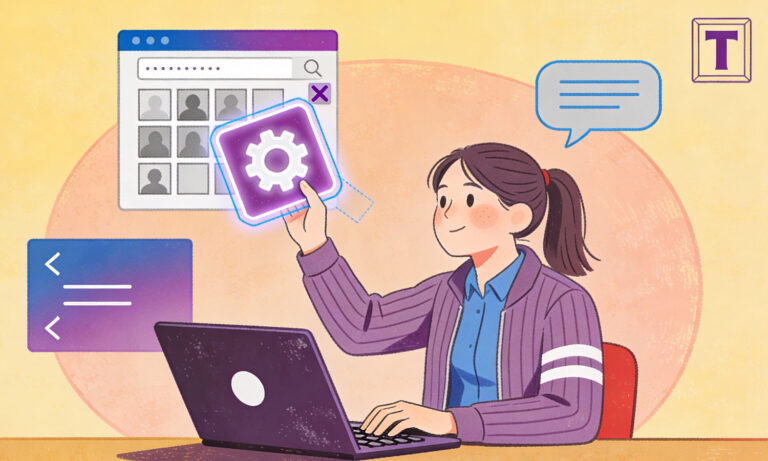
In a nutshell: Web design is the process of planning, creating, and designing the visual elements and user interface (UI) of a website. Simply put, it’s about how a website looks and how users navigate it.
Visual design
In contrast to the technical implementation (web development), web design focuses on aesthetics and user guidance so that visitors can quickly find what they are looking for.
- Color scheme: The selection of colors that match the brand and create a pleasant atmosphere.
- Typography: The selection of fonts that must be easy to read and match the style of the website.
- Images & Graphics:
Photos, symbols, illustrations, and videos that support the content and make the page more appealing. - Layout:
The arrangement of all these elements on the screen – where the navigation, text, and images are placed.
The purpose (achieving the goal)
Every website has a goal. Web design helps to achieve this goal:
- A company website wants to sell products or provide information.
- A blog wants people to read articles.
- A news website wants readers to quickly find the latest news.
Web design guides the user to their intended destination (e.g., to a “Buy Now” button or a registration form).
Responsive Web Design
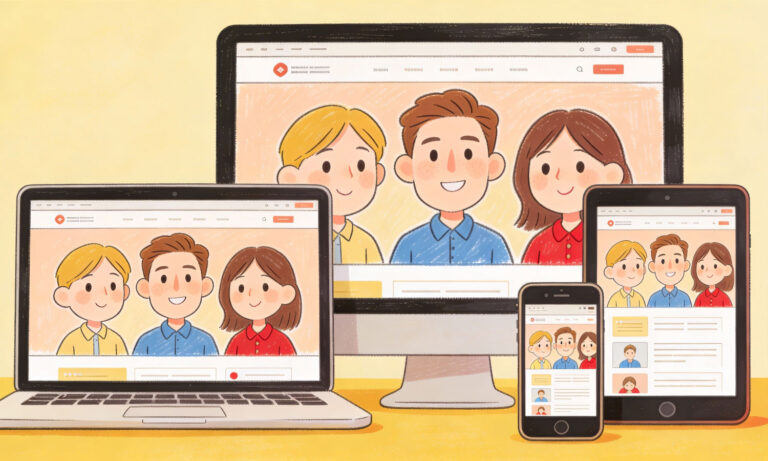
Responsive web design means that a website automatically adapts to the screen size and resolution of the device displaying it – whether desktop PC, tablet, or smartphone – for optimal usability on all devices. The layout, images, and text flow flexibly, ensuring that content always remains easily readable and operable, without the need to develop multiple versions of the website.
Advantages of Responsive Web Design
- Uniform presentation: A single website is optimized for all devices, which simplifies maintenance.
- Better user experience: Content is easy to read and use on any device.
- SEO benefits: Search engines like Google prefer responsive websites because they only have one URL and one HTML code.
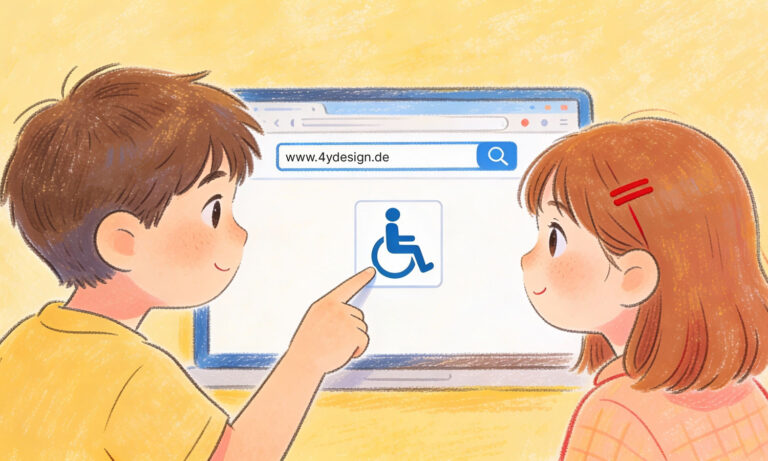
Accessible web design
Modern web design, sophisticated functionality.
We design a modern website for you that perfectly presents your brand on the Internet. We not only pay attention to a beautiful appearance, but above all to ensuring that the page is easy and pleasant for your visitors to use.